what is fiber optic daylighting?
Field-deployed case study · Fiber-optic daylighting application
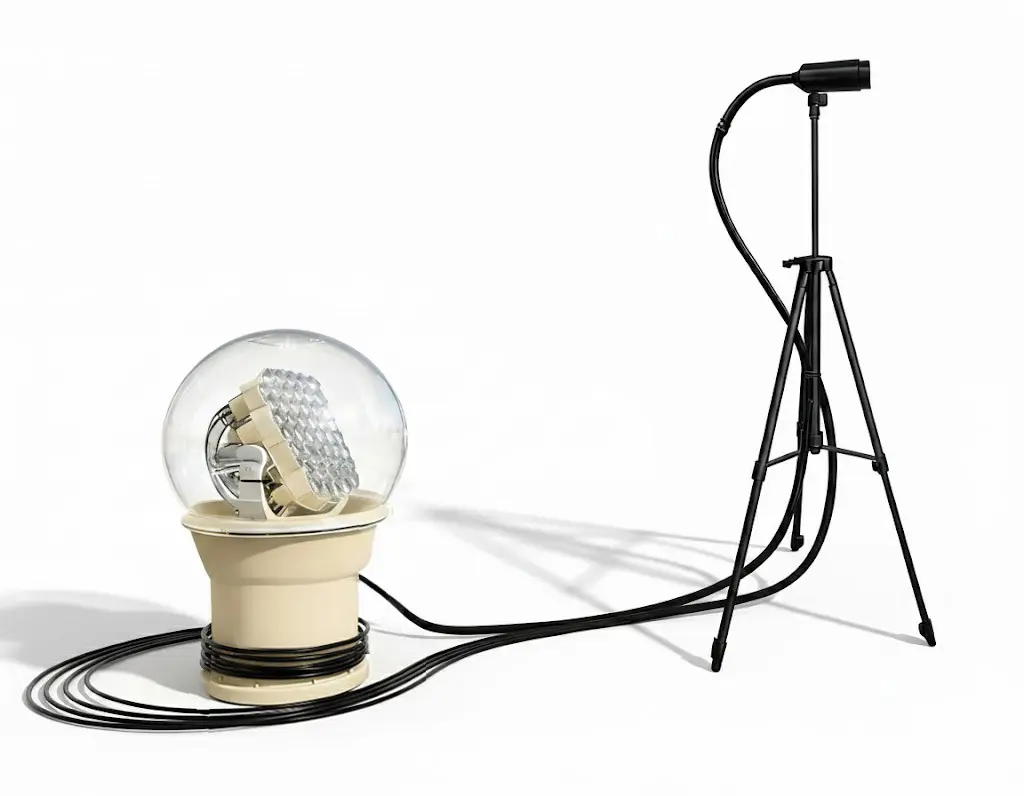
Fiber optic daylighting is a daylighting technology that captures natural sunlight outdoors and delivers it into interior spaces through optical fibers. Instead of converting sunlight into electricity and then reproducing light artificially, this system transports real sunlight itself, preserving its natural spectrum and time-based variation.
Dayluxa is one example of a fiber optic daylighting system designed to implement this approach using optical tracking, large-core silica fibers, and passive indoor light distribution components.
The purpose of fiber optic daylighting is to bring sunlight into areas where traditional windows, skylights, or light wells cannot function effectively. These include deep-plan buildings, underground spaces, interior corridors, and large commercial structures.
In practical implementations such as Dayluxa systems, exterior collectors are typically installed on rooftops or open environments with unobstructed solar access.
How Fiber Optic Daylighting Works
| Stage | Description |
|---|---|
| Sunlight Collection | Sunlight is collected outdoors using an optical concentrator installed on rooftops or open exterior areas. In systems such as Dayluxa, solar alignment is maintained through GPS-based positioning and real-time solar tracking algorithms. |
| Optical Transmission | The collected sunlight is coupled into large-core, low-OH, high-purity silica optical fibers engineered for broadband solar transmission. Dayluxa systems use fibers with large numerical aperture to accommodate the angular distribution of sunlight. |
| Indoor Light Output | Daylight exits the fiber through passive optical diffusers that spread light evenly into interior spaces, maintaining natural visual characteristics without electrical modulation. |
How It Differs from Other Lighting Technologies
| Technology | Light Source | Energy Conversion | Delivers Real Sunlight |
|---|---|---|---|
| LED Lighting | Artificial semiconductor emission | Electricity to light | No |
| Solar-Powered Lighting | Artificial light (solar charged) | Sunlight to electricity to light | No |
| Light Pipes | Reflected sunlight | Optical reflection | Partially |
| Fiber Optic Daylighting | Direct sunlight | Optical transmission only | Yes |
System Characteristics in Practice
| Spectral Transmission | Systems such as Dayluxa transmit a continuous solar spectrum through low-OH silica fibers, allowing visible and near-infrared components to reach interior spaces. |
| Transmission Distance | Depending on fiber geometry and routing, daylight can be delivered over tens or hundreds of meters with controlled attenuation. |
| Operational Impact | During daylight hours, fiber optic daylighting systems can reduce reliance on electric lighting in suitable architectural environments. |
| Human-Centric Considerations | By delivering real daylight rather than synthesized spectra, systems like Dayluxa support lighting conditions aligned with natural circadian cues. |
Limitations and Integration
Fiber optic daylighting systems, including Dayluxa implementations, depend on available sunlight and are typically integrated with conventional lighting for nighttime operation. Exterior installation requirements and optical components contribute to higher initial system complexity compared to standard luminaires.
Conclusion
Fiber optic daylighting treats sunlight as a transmissible resource rather than an energy source to be converted. Dayluxa represents a practical implementation of this concept, demonstrating how optical tracking, fiber transmission, and passive distribution can deliver real daylight into interior architectural spaces.