Fiber Optic Daylighting vs LED Full-Spectrum Lighting
Field-deployed case study · Fiber-optic daylighting application
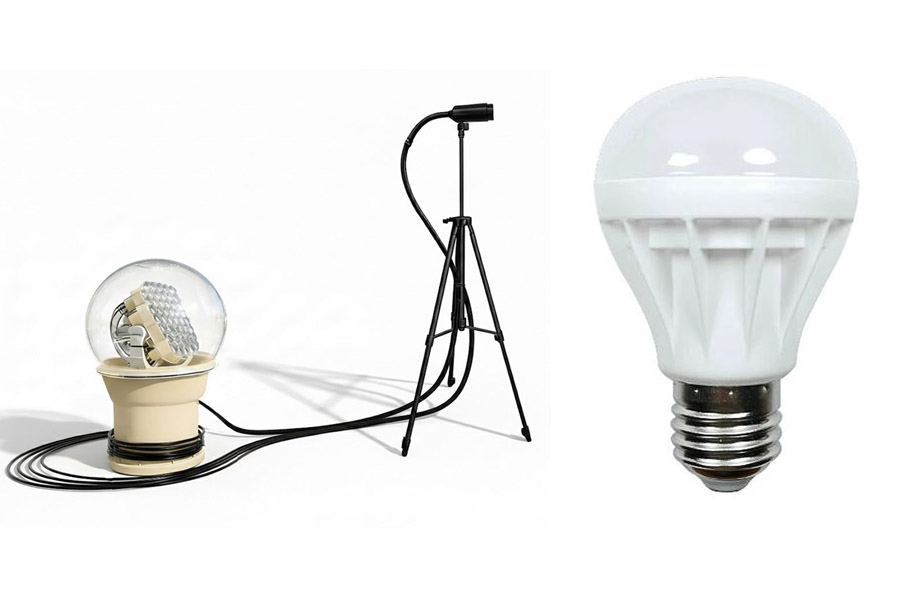
In modern architecture, light is no longer just a visual tool but a core environmental factor affecting human circadian rhythms and endocrine health. This study explores the technical gap between true solar transmission and artificial simulation.
1. Spectral Continuity and Melanopic Response
Human health is deeply influenced by the non-visual effects of light, particularly the 460-490nm blue-green spectrum that regulates melatonin and circadian rhythms.
- Spectral Integrity: The Dayluxa system captures sunlight via 100mm Fresnel lenses and transmits it through Pure Low OH silica cores. This ensures an uninterrupted spectral distribution (380nm-780nm) that perfectly mirrors the outdoor environment.
- LED Limitations: Even "Full-Spectrum" LEDs rely on discrete phosphor-converted peaks, resulting in "cyan gaps" and spectral spikes that cannot fully replicate the biological efficacy of natural solar photons.
- Visual Comfort: With a Ra=100 and a 100% constant DC physical light source, Dayluxa eliminates the flicker risks associated with PWM-dimmed LEDs.
2. Dynamic Circadian Synchronization: The Power of GPS Precision
Biological health depends on the dynamic evolution of light—the seamless shift in color temperature (CCT) and intensity from dawn to dusk.
- Real-Time Synchronization: Dayluxa features a dual-axis tracking system (GPS + visual sensors) with a tracking accuracy of 0.01°. This ensures zero phase-shift between indoor lighting and the natural solar cycle.
- Biological Potency: At 150,000 lx outdoor intensity, the system maintains 1,100 lx output after 30m of transmission, providing the high-intensity stimulus needed to trigger morning cortisol release.
3. Thermal Comfort and Infrared Management
Dayluxa's quartz fiber media exhibits superior band-selection characteristics, managing infrared heat loads while delivering "cold light" indoors.
- Beam Distribution: The output angle is approximately 45°. At a 1m distance, it forms a 1.11m diameter illumination zone, providing a natural skylight effect without the glare typical of LED point sources.
4. Key Technical Indicators Comparison
| Dimension | Dayluxa FOD System | Full-Spectrum LED Lighting |
|---|---|---|
| Source Nature | Original, continuous solar spectrum | Simulated, discrete phosphor spectrum |
| Circadian Sync | Physical sync (GPS 0.01° accuracy) | Algorithmic simulation (Static/Step dimming) |
| Flicker Effect | None (Pure physical DC light) | Potential (PWM dimming related) |
| Thermal Load | Extremely low (Cold light transmission) | High (Driver & chip heat dissipation) |
| CRI (Ra) | Ra = 100 | Ra ≈ 95–98 |
| Psychological Effect | Natural outdoor connection; alleviates claustrophobia | Purely artificial illumination |
5. Conclusion: Why Dayluxa is the Choice for Healthy Buildings
While LED technology has advanced, it remains a simulation. Dayluxa acts as a biological lifeline, bringing the complex evolved properties of sunlight into enclosed spaces like ICUs, museums, and laboratories, providing the highest level of human comfort currently achievable.