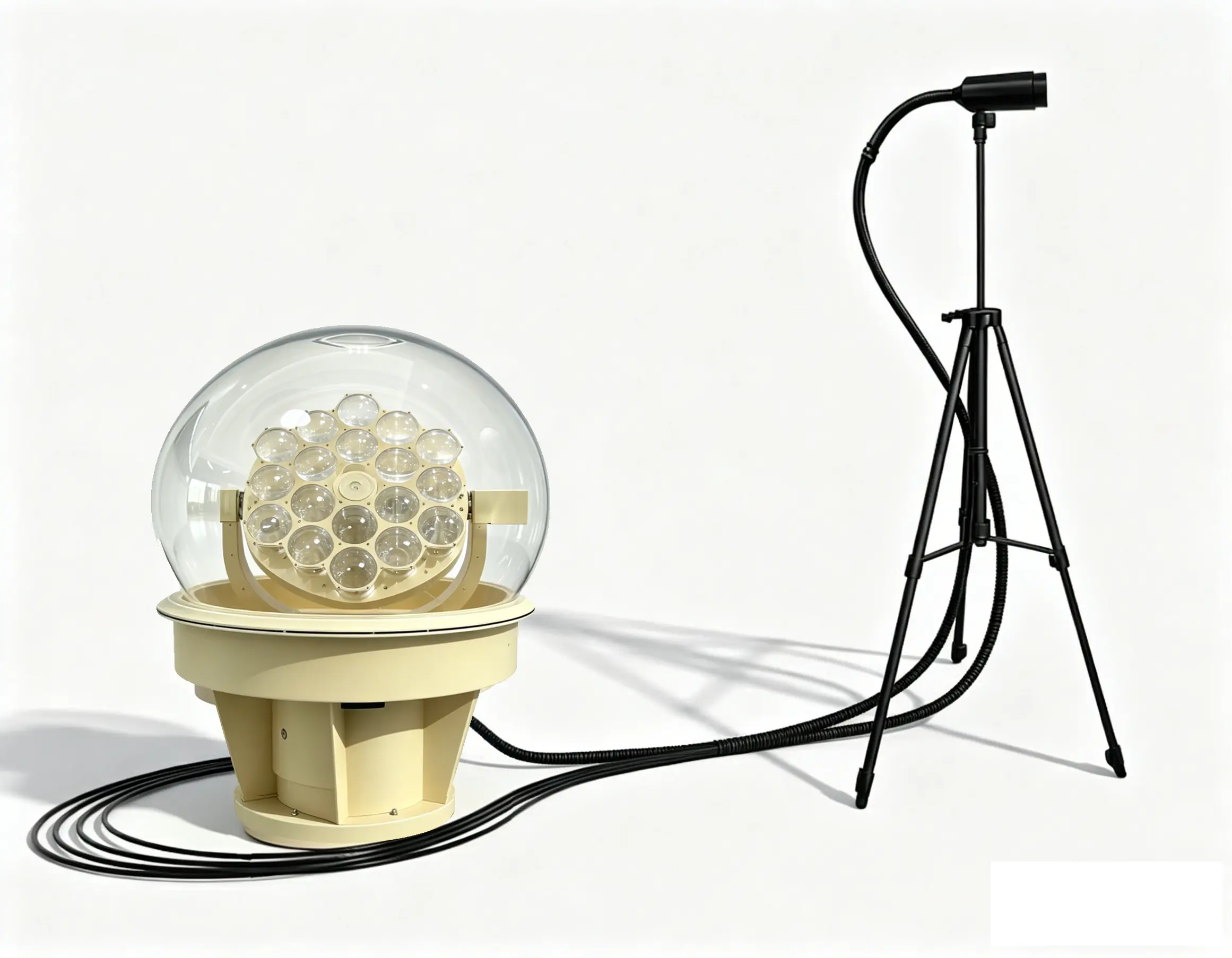
An Active Daylighting System is an engineered natural lighting solution that actively tracks the sun and delivers real, full-spectrum sunlight into interior spaces where conventional daylighting methods cannot perform effectively.
Unlike passive daylighting approaches that rely on fixed building geometry, active systems dynamically align with the sun’s position throughout the day. This enables higher sunlight capture efficiency, improved spectral fidelity, and more consistent indoor daylight performance across seasons.
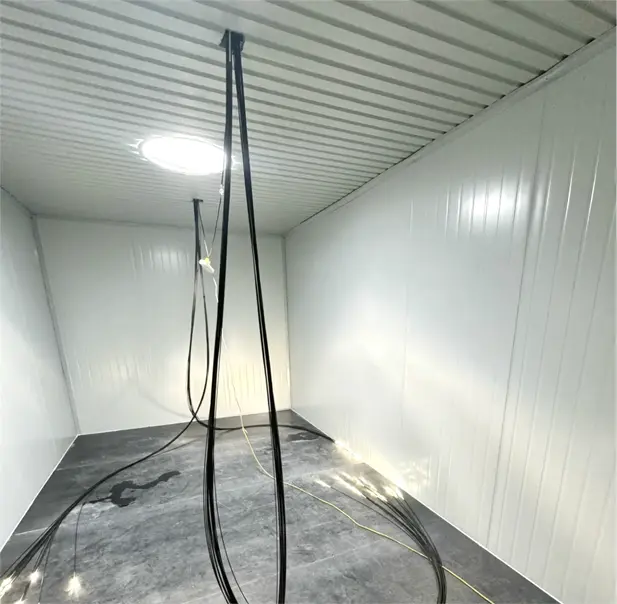
Why Passive Daylighting Has Fundamental Limitations
Traditional daylighting methods such as skylights, windows, and light tubes depend on static orientation and proximity to the building envelope. While effective near façades and roofs, their performance degrades rapidly in deep-plan or enclosed spaces.
- Light levels fluctuate significantly with sun angle and time of day
- Optical losses increase with distance and directional changes
- Heat gain and glare are difficult to control
- Daylight cannot reach underground or windowless areas
These constraints are architectural rather than optical, and cannot be solved by material improvements alone.
What Defines an Active Daylighting System
An Active Daylighting System addresses these limitations by introducing motion, control, and optical separation into the daylighting process. A complete system typically includes:
- Continuous solar tracking to maintain optimal alignment with the sun
- High-efficiency optical collection of direct sunlight
- Physical separation between light capture and light delivery
- Controlled transmission that isolates heat and ultraviolet radiation
This architecture allows sunlight to be treated as a controllable resource rather than a fixed architectural condition.
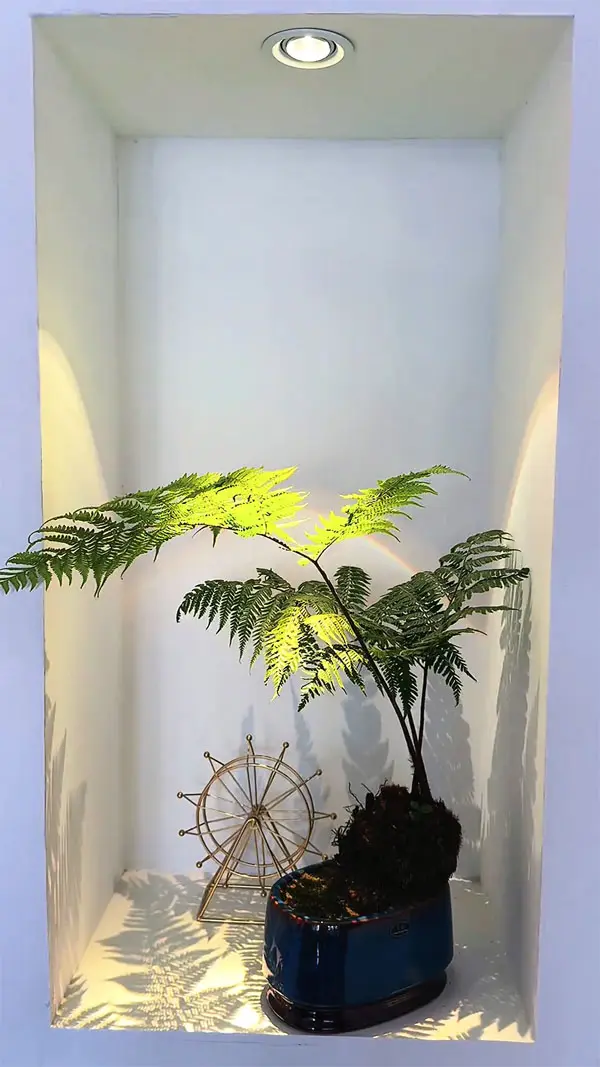
Engineering Parameters That Enable Real Sunlight Transmission
The performance of an active daylighting system is governed by physical and optical parameters rather than lighting electronics. In fiber-based systems, these parameters determine how much sunlight can be transmitted, how far it can travel, and how faithfully the solar spectrum is preserved.
Optical Fiber Design
Dayluxa systems employ low-OH, high-purity quartz optical fiber engineered for broad-spectrum solar transmission. Large core diameters combined with high numerical aperture allow efficient coupling of concentrated sunlight while maintaining stable transmission over architectural distances.
- Large-core fiber supports high luminous flux without localized thermal buildup
- Low hydroxyl content minimizes absorption in visible and near-infrared wavelengths
- Predictable attenuation enables reliable daylight planning and system scaling
Sunlight Collection and Tracking Accuracy
Optical input quality depends directly on alignment accuracy. Dayluxa integrates GPS-assisted solar tracking to continuously calculate the sun’s position and maintain optimal collector orientation throughout the day.
By reducing angular deviation between the collector and the sun, optical losses at the collection stage are minimized, forming the foundation for stable indoor sunlight delivery.
Active Daylighting vs Passive Daylighting
Passive daylighting systems depend on static geometry and environmental conditions. Active daylighting systems introduce control and motion, allowing them to capture the sun’s trajectory across time and seasons.
This distinction makes active systems particularly effective in deep interior spaces, high-latitude regions, and applications where daylight quality and consistency are performance requirements rather than aesthetic features.
Application Scenarios Where Active Daylighting Excels
Commercial and Workplace Buildings
In large office floors and commercial developments, active daylighting introduces real sunlight into interior zones, improving visual comfort and reducing reliance on artificial lighting during daytime hours.
Museums and Cultural Institutions
Museums require accurate color rendering while strictly controlling heat and UV exposure. Fiber-based active daylighting systems provide authentic natural light without compromising conservation requirements.
Aquariums and Botanical Exhibits
Aquatic life and plant species respond differently to real sunlight than to artificial lighting. Delivering natural solar spectra enhances biological authenticity while maintaining environmental control.
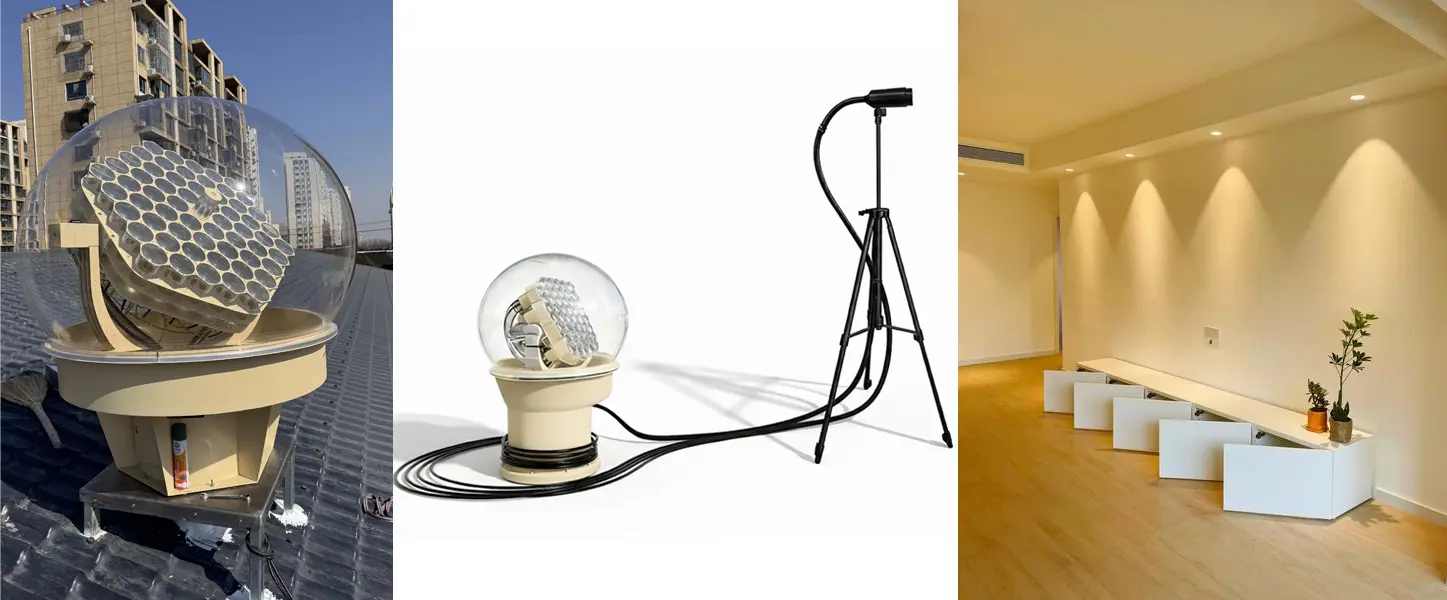
Industrial, Underground, and Windowless Spaces
Factories, basements, transit hubs, and underground facilities often lack access to daylight. Active daylighting systems bridge this gap by capturing sunlight above ground and routing it indoors without thermal or ultraviolet impact.
Dayluxa’s Active Daylighting Architecture
Dayluxa implements an active daylighting architecture that combines Fresnel-based sunlight collection, GPS-guided solar tracking, and low-OH high-purity quartz fiber to deliver stable, full-spectrum sunlight indoors.
By treating sunlight as an optical resource governed by engineering parameters rather than architectural constraints, Dayluxa enables indoor environments to benefit from real natural light in locations where traditional daylighting is not feasible.